WHY THIS RESOURCE MATTERS
Make closeout visible trade by trade
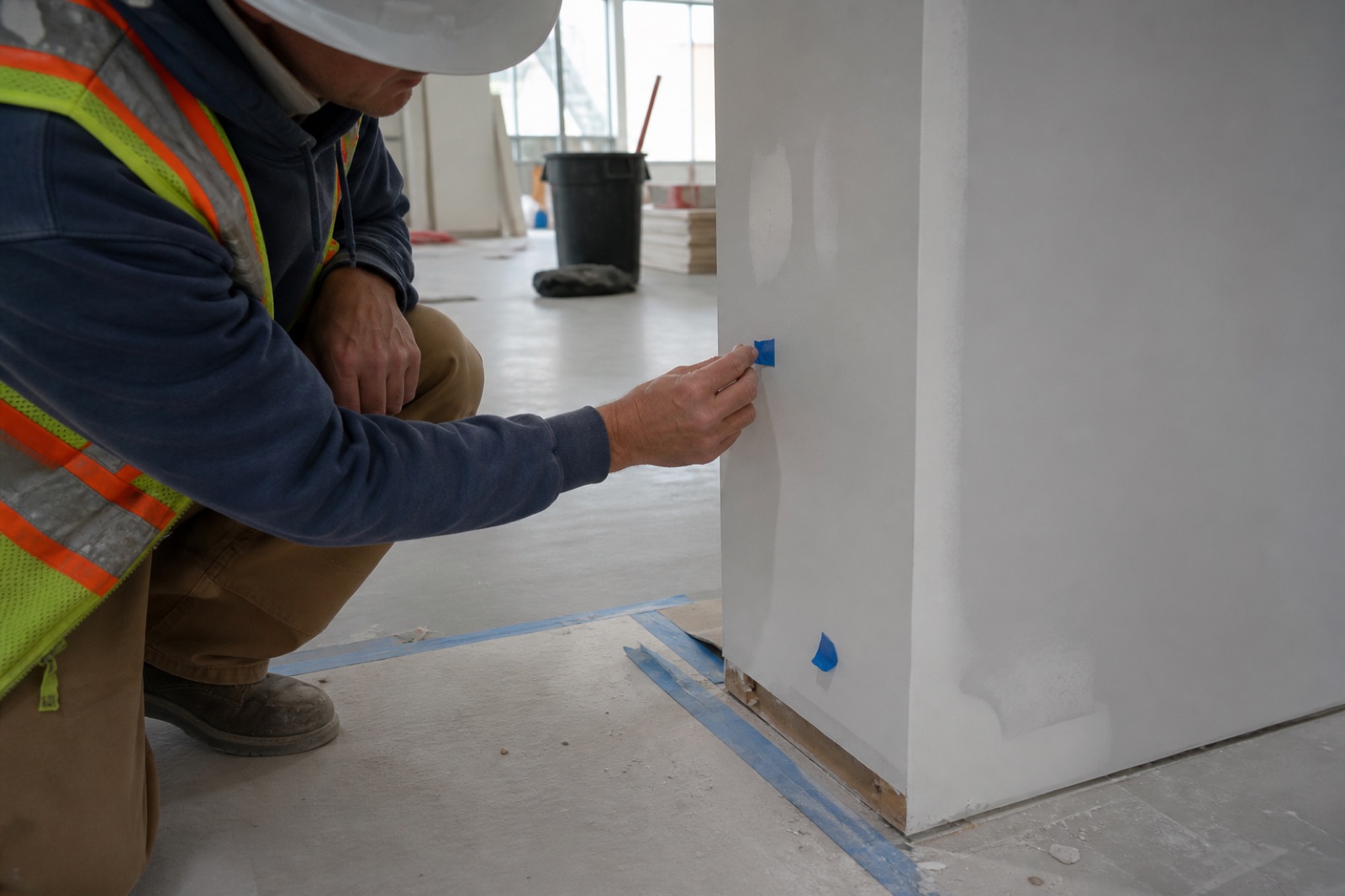
A punch list is a production tool for the final stretch of construction. It should let the project team see which spaces are ready, which trade owns each correction, and which incomplete items prevent testing, protection removal, client inspection, or handover. Combining several defects in one line makes that control difficult.
Organize entries around buildable information: exact location, drawing or specification reference, responsible trade, required finish, access dependency, and verification method. The list then supports daily coordination instead of becoming a long collection of photographs that nobody can confidently close.
CHECKLIST
What to include
- 01Project and drawing reference
- 02Floor, room, or zone
- 03Trade or category
- 04Defect description
- 05Priority
- 06Assigned contractor
- 07Target date
- 08Before photo
- 09Completion note
- 10Closed photo and approval
WHAT TO LOOK FOR
Closeout issues worth separating
Incomplete installation
Missing covers, trims, fixings, labels, sealant, or final connections should be recorded as individual trade actions.
Damage after completion
Installed finishes can be scratched, chipped, stained, or dented by later work and need a distinct repair owner.
Interface mismatch
Gaps between doors, ceilings, joinery, services, and wall finishes often sit between two subcontractor scopes.
Testing dependency
An item may look complete but still block commissioning because power, access, controls, or documentation is missing.
Protection and cleaning
Residual film, construction dust, packaging, and temporary protection can conceal defects and delay final inspection.
FIELD WORKFLOW
How to use this template
- 1
Divide the project into zones that match the construction programme and walk completed areas only after the responsible trade has performed its own check.
- 2
Record one defect per line with room, element, trade, requirement, annotated image, and any access or predecessor work needed before correction.
- 3
Hold short closeout reviews by zone and trade, resolving disputed ownership while the relevant supervisors can still inspect the condition together.
- 4
Verify corrections in the field, attach completion evidence, and reopen the item if the repair creates a new defect or does not meet the agreed result.
PRIORITY GUIDE
Rank items by their effect on handover
Handover blocker
Use for unsafe, non-operational, inaccessible, untested, or materially incomplete work that prevents intended use of the space.
Required correction
Use when the work can proceed but the installed result does not meet the agreed drawing, sample, specification, or finish.
Final presentation
Use for minor cosmetic or cleaning work that should be completed before the client walk without disrupting other trades.
FIELD EXAMPLE
Example: a door problem with a clear owner
For a door that does not latch, identify the building, level, room, door number, and drawing reference. Record whether the leaf rubs, the closer stops short, or the latch and strike are misaligned; those observations may point to different trades. Assign the agreed owner, photograph the frame and ironmongery, and close the item only after an operation check confirms the door opens, closes, and latches as intended.
BEFORE YOU START
Adapt it to the job
Names, inspection frequency, acceptance criteria, retention rules, and sign-off responsibilities vary by project and jurisdiction. Remove irrelevant items and add the exact standards, drawings, specifications, and responsible people that apply to your work.